
Building engaging products on top of existing backoffice tools
Bespoke at the point of the user
Building engaging products on top of existing backoffice tools, from Airtable to Salesforce.
The insight
Non-profits and charities often have perfectly serviceable backoffice systems. Airtable bases full of carefully structured data. Salesforce instances with years of configuration. The problem isn't the backend; it's that these tools were never designed to be user-facing.
The approach
Rather than ripping out existing infrastructure or building parallel systems, we create bespoke user experiences that sit on top of what already exists. The charity keeps their familiar workflows. Users get something that actually works for them.
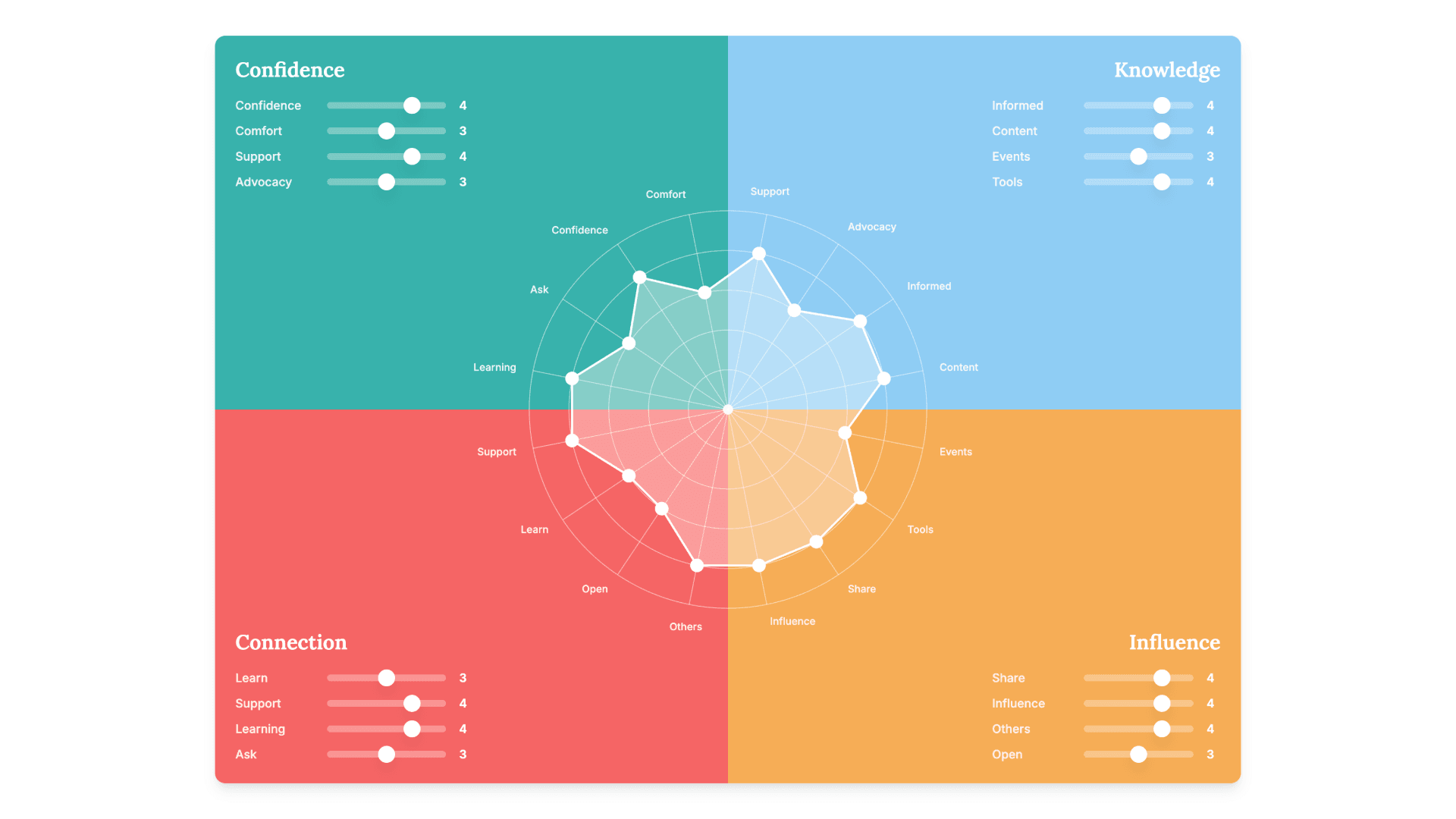
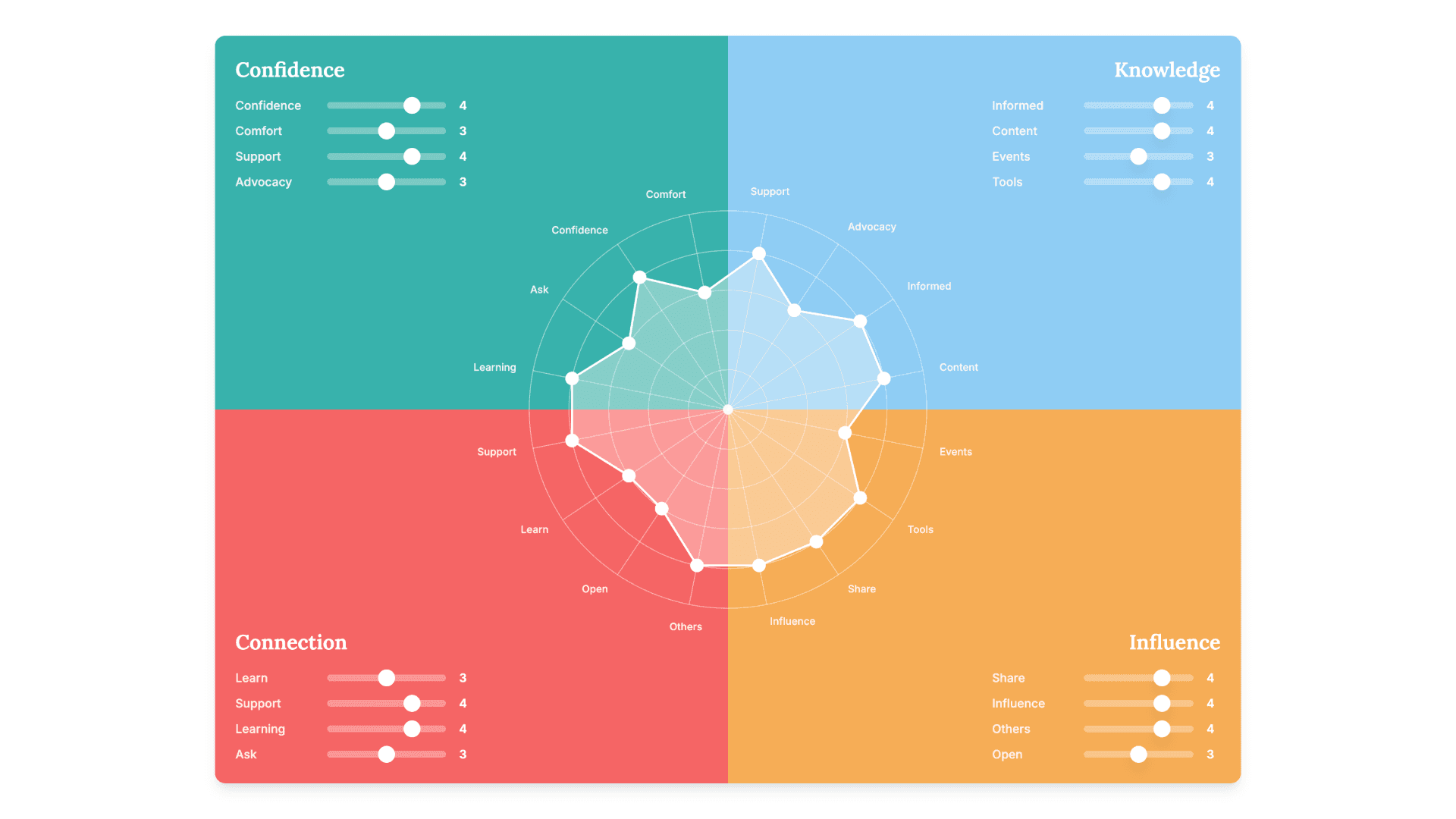 Users can map their current levels of confidence, knowledge, connection and influence relating to digital, and can then return to track progress. To access this resource you will need to create an account.
Examples in practice
Self-assessment tools that let users track their own progress whilst feeding data back into existing CRM systems.
Public-facing directories that pull from Airtable bases maintained by non-technical staff.
Booking systems that integrate with Salesforce without requiring users to navigate Salesforce.

Why this matters
The build-vs-buy question often misses a third option: build on top of what you've already bought. It's cheaper, faster, and means you're not throwing away institutional knowledge embedded in existing systems.
Technical reality
These projects typically involve:
- API integrations with Airtable, Salesforce, and similar platforms
- Caching strategies to keep user-facing apps responsive despite backend limitations
- Authentication layers that let users access just what they need
- Custom UIs built in React or similar, designed around actual user needs rather than backend structure
The hardest part isn't the technology. It's understanding the existing system well enough to build something useful on top of it.